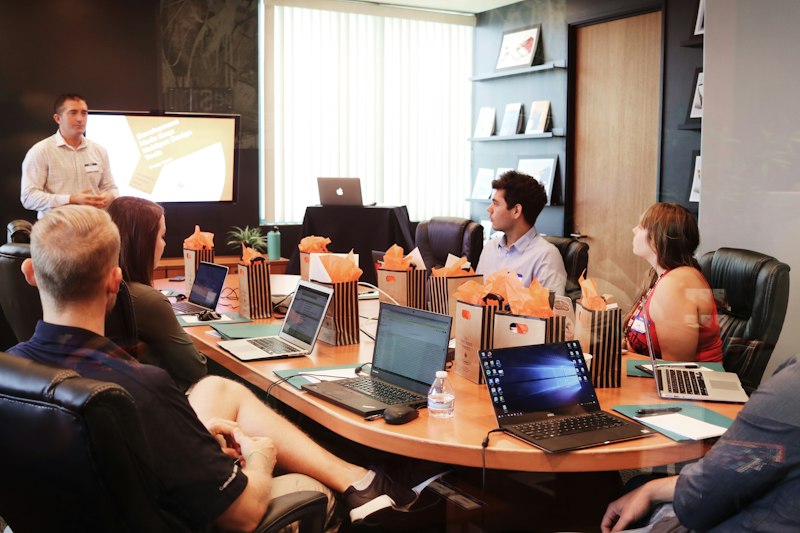
An offsite takes people away from their usual work and routines. Decide what the time together is for, then plan activities with clear timing and room for people to opt out.
The Core Problem with Most Offsites
Most corporate offsites fail because they're designed from the wrong premise: that employees need to be organized and entertained at all times. The result is a back-to-back schedule of workshops, team activities, and facilitated sessions that leaves no room for the organic conversations that are actually most valuable. The best offsites alternate structured time with genuine free time.
Start with the Outcome You Actually Want
Before booking anything, answer one question honestly: what do you want people to feel or know at the end of this offsite that they didn't feel or know at the start? If the answer is 'more connected to their colleagues,' the agenda needs to prioritize shared experiences over presentations. If the answer is 'aligned on the company direction,' you need substantive strategic discussion time, not trust falls.
Activity Design: What Actually Works
For a short shared activity, show a satellite image and ask teams to agree on a location. Give them a minute to compare their observations after the reveal. Treat the format as an option to try, rather than a guaranteed way to change team relationships.
The Schedule Architecture That Works
- Day 1 morning: strategic content (people are fresh and can absorb it)
- Day 1 afternoon: team challenge activity (competitive, skill-revealing, 90 minutes maximum)
- Day 1 evening: unstructured social time with an optional casual game (not mandatory fun)
- Day 2 morning: small group working sessions on real problems
- Day 2 afternoon: free time or optional activities — genuinely optional
What to Cut
Cut trust falls, ropes courses for non-athletic groups, mandatory karaoke, facilitated conversations about feelings, and any activity where people have to physically compete in front of an audience. Replace them with activities that reward knowledge, curiosity, creativity, or humor — skills that are more evenly distributed across a typical corporate team.